


GHK-Cu 100mg: Complete Research & Safety Guide
What Is GHK-Cu 100mg?
GHK-Cu 100mg is a research peptide product containing glycyl-L-histidyl-L-lysine copper, commonly known as GHK-Cu or copper tripeptide-1. GHK is a naturally occurring tripeptide consisting of glycine, histidine and lysine. It has the ability to bind copper ions, forming the copper-associated peptide commonly referred to as GHK-Cu.
GHK-Cu has attracted scientific interest because of its involvement in research related to cellular signaling, extracellular-matrix biology, tissue remodeling and regenerative processes.
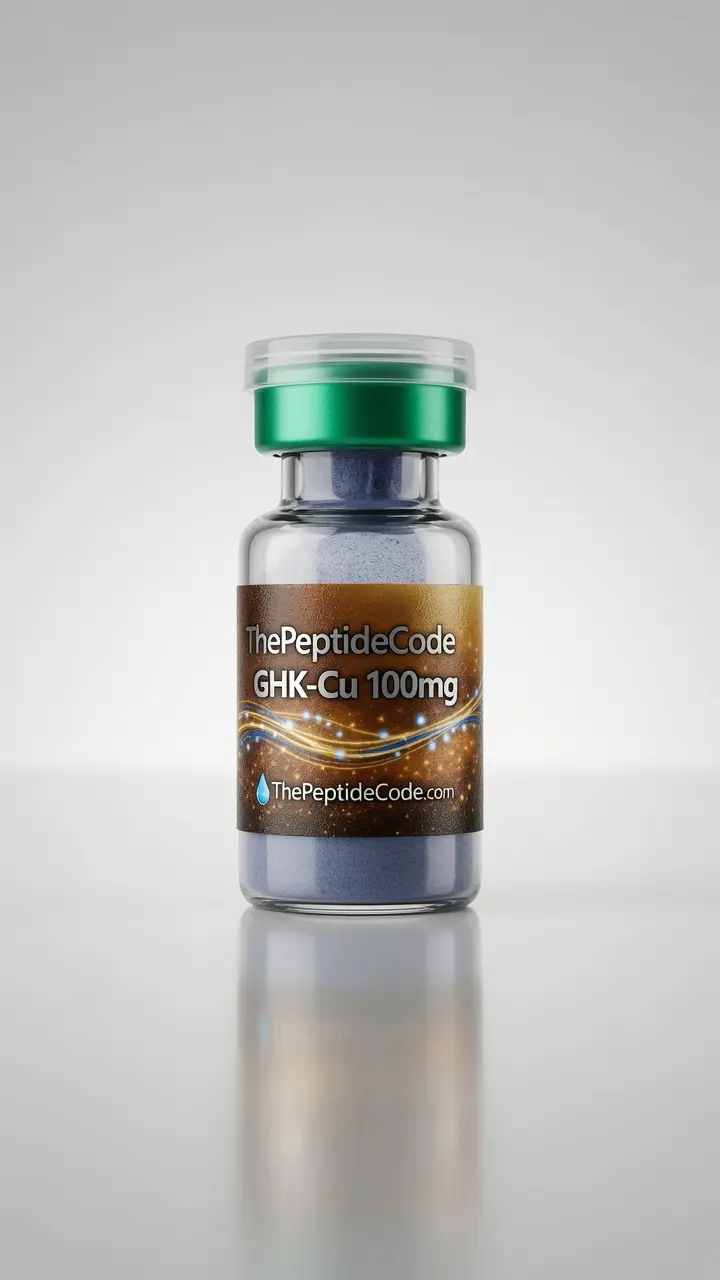
The 100mg designation refers to the labeled quantity of GHK-Cu in a particular product. Exact formulation, purity, packaging and testing specifications can differ between suppliers, so researchers should review the documentation associated with the specific batch.
GHK-Cu and Copper-Peptide Research
GHK-Cu is studied as a copper-binding peptide with biological activity that may involve several cellular pathways. Research has investigated its relationship with extracellular-matrix components, cellular migration, tissue remodeling and signaling processes.
The peptide’s copper-binding characteristics are an important part of its scientific identity. Copper itself participates in numerous biological processes, while GHK provides a peptide structure capable of binding the metal ion.
Research should distinguish GHK-Cu from GHK without copper and from other copper-containing peptides. These substances may have different chemical properties and should not automatically be considered interchangeable.
Research Applications
GHK-Cu 100mg may be relevant to laboratory research involving peptide biology, cellular signaling and tissue-related processes.
Research areas associated with GHK-Cu include:
- Copper-peptide biology
- Extracellular-matrix research
- Cellular signaling
- Tissue-remodeling studies
- Fibroblast research
- Collagen-related pathways
- Cellular migration
- Oxidative-stress research
- Peptide-metal interactions
- Regenerative biology
A 2026 systematic review evaluated research concerning GHK-Cu in aesthetic and regenerative medicine and reported that the available evidence includes substantial preclinical research while also noting a lack of standardized clinical guidelines.
These findings provide scientific context but should not be interpreted as proof that a particular commercially marketed GHK-Cu 100mg product produces a specific clinical outcome.
GHK-Cu 100mg Product Specifications
When evaluating GHK-Cu 100mg for research purposes, researchers should consider the complete product specification rather than relying only on the product name.
Important information may include:
- Exact chemical identity
- Labeled quantity
- Purity
- Copper content or formulation details
- Batch or lot number
- Manufacturing information
- Analytical testing
- Certificate of analysis
- Storage requirements
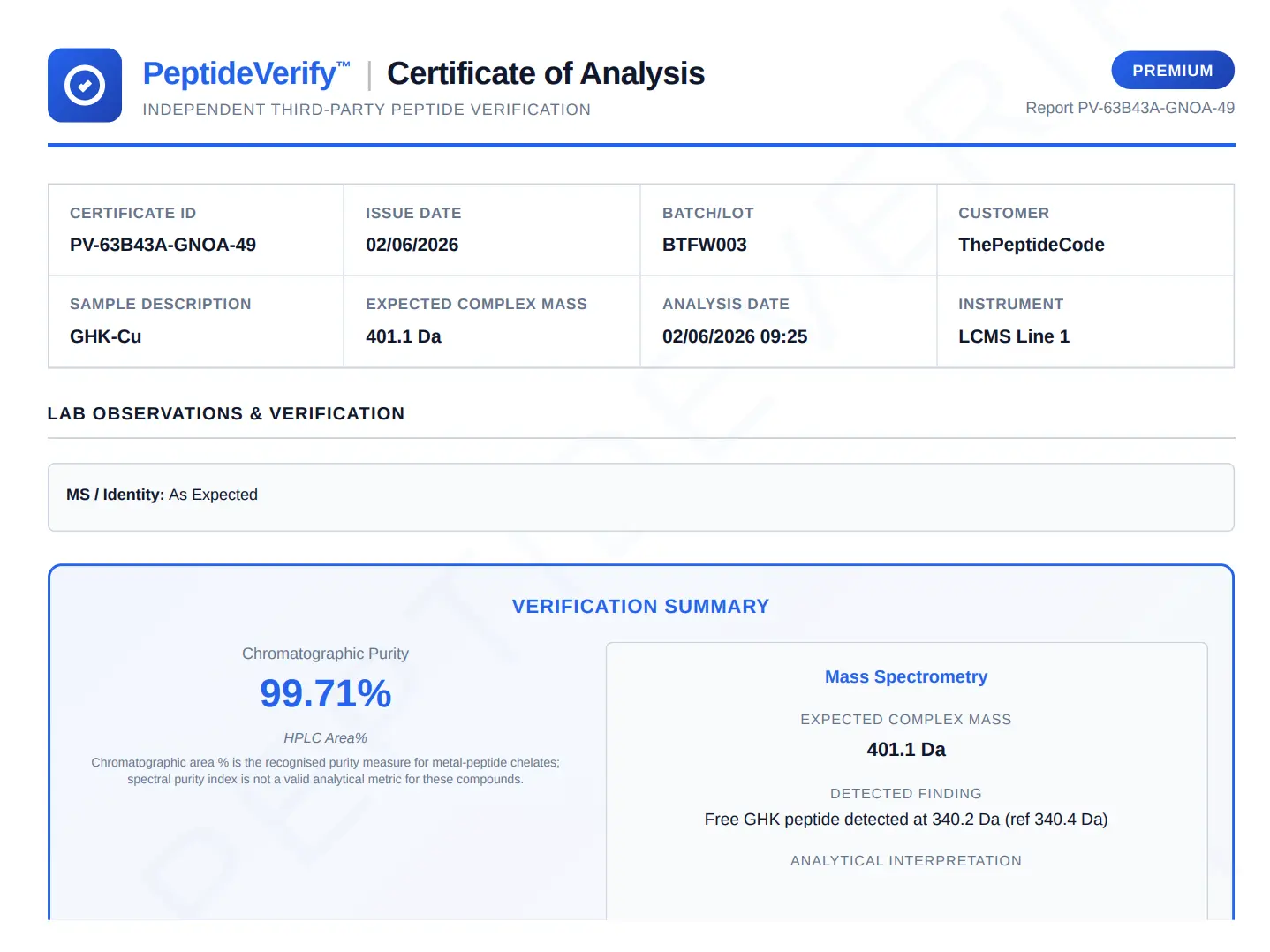
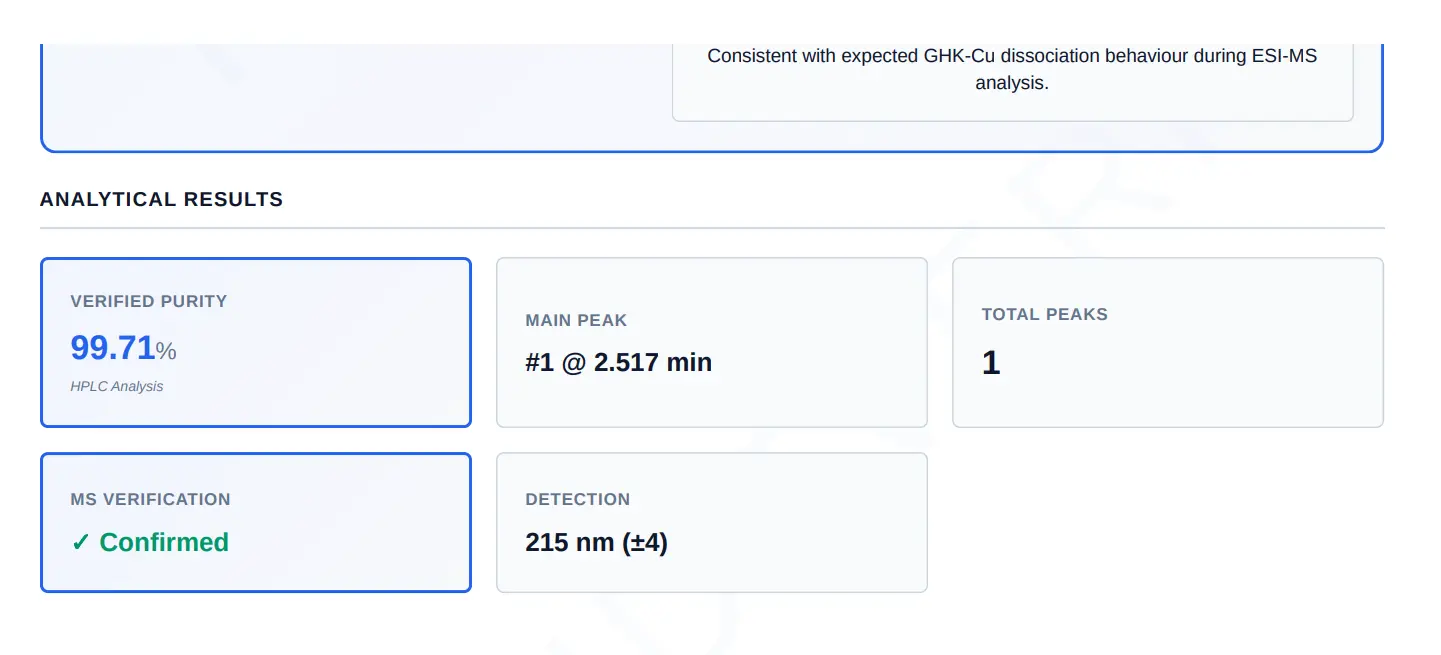
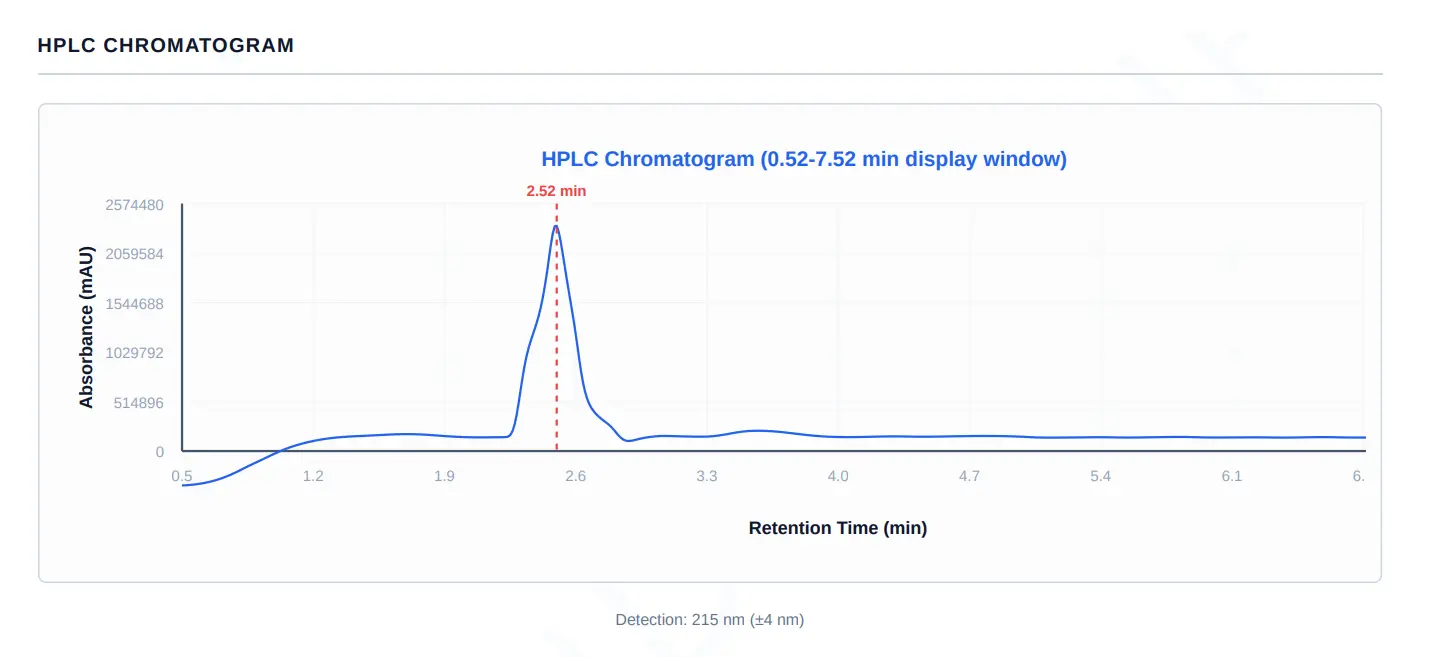
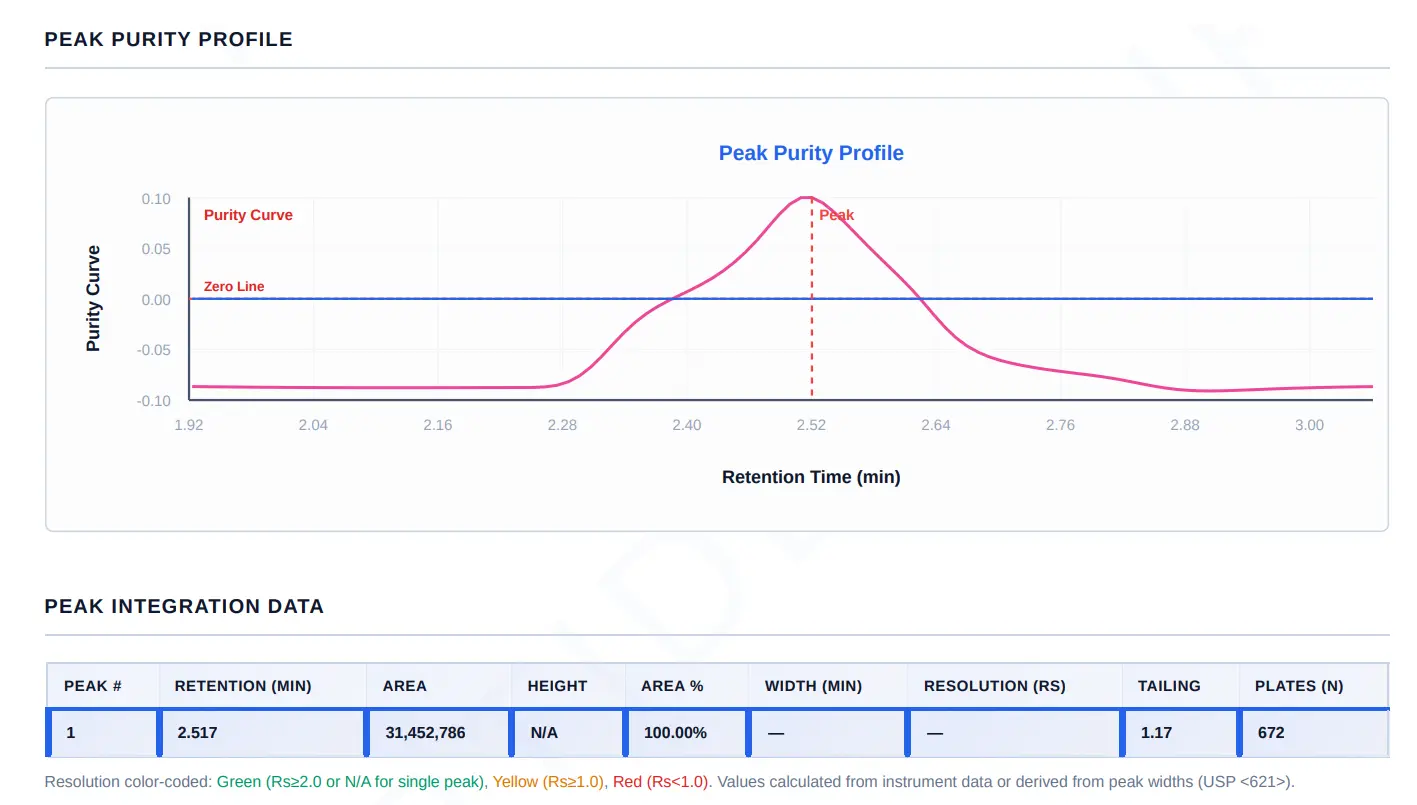
A certificate of analysis can provide useful batch-specific information regarding identity and purity. Researchers should review the actual documentation supplied for the product because testing standards and specifications can differ between manufacturers.
The 100mg designation indicates the stated quantity of material. It should not automatically be interpreted as a concentration or preparation specification.
GHK-Cu and Cellular Research
One reason GHK-Cu is studied extensively is its relationship with extracellular-matrix biology. Experimental research has investigated pathways involving fibroblasts, collagen-associated processes and other components of tissue biology.
Researchers have also examined GHK-Cu in relation to cellular stress and inflammatory signaling. These areas remain subjects of ongoing investigation, and different experimental models can produce different findings.
The biological activity observed in a cell culture or animal model should therefore be interpreted within the specific conditions of that study. Results cannot automatically be transferred to human applications or to every GHK-Cu 100mg formulation.
Copper-Peptide Structure
The GHK portion of GHK-Cu is a three-amino-acid peptide composed of glycine, histidine and lysine. Its ability to coordinate with copper is central to the identity of copper tripeptide-1.
This structure makes GHK-Cu useful for research into peptide-metal interactions and the biological effects associated with copper-binding peptides.
Researchers comparing different products should confirm whether the material is actually GHK-Cu rather than another copper-containing peptide. Accurate chemical identification is particularly important when comparing commercial product specifications with scientific publications.
Quality and Documentation
Quality documentation is an important consideration when evaluating GHK-Cu 100mg. Researchers may review the certificate of analysis, stated purity, batch identification, analytical testing methods and manufacturing information.
A product’s stated purity alone does not establish that it has been independently verified. Batch-specific documentation can provide additional information about the material being evaluated.
Researchers should also keep product documentation together with lot information to improve traceability and maintain accurate laboratory records.
Storage and Handling Considerations
Peptide materials can be sensitive to environmental conditions such as temperature, moisture, light and unsuitable handling. GHK-Cu 100mg should therefore be stored according to the specific manufacturer’s instructions.
Storage requirements may differ depending on formulation and packaging. Researchers should not assume that instructions for one GHK-Cu product automatically apply to another product from a different manufacturer.
Maintaining the original packaging and documentation can help preserve product identification and traceability throughout laboratory research.
Safety and Regulatory Context
Safety considerations depend partly on how GHK-Cu is formulated and used. FDA materials currently identify GHK-Cu for injectable routes of administration as a bulk substance associated with potential immunogenicity concerns related to aggregation and peptide-related impurities. The agency also notes that there are limited human data available to inform safety considerations.
FDA’s April 2026 update also states that GHK-Cu for injectable routes had been removed from one category because the nominations were withdrawn, while noting that the agency intends to consult its Pharmacy Compounding Advisory Committee regarding potential inclusion on the 503A bulk-substance list.
This regulatory information concerns specific compounding contexts and should not be interpreted as a determination about every GHK-Cu 100mg research product.
Understanding the Research Evidence
GHK-Cu research includes laboratory, preclinical and clinical literature, but these forms of evidence should be considered separately.
Preclinical studies can help researchers investigate mechanisms and biological pathways. Human studies can provide additional information but may differ in formulation, route, population and study design.
A 2026 systematic review concluded that GHK-Cu has demonstrated several potentially relevant properties in preclinical models while emphasizing that standardized clinical guidelines remain limited.
For this reason, research findings should not be converted into unsupported claims about effectiveness or safety of a particular GHK-Cu 100mg product.
Final Considerations
GHK-Cu 100mg is a copper-binding tripeptide research product associated with scientific investigation into cellular signaling, extracellular-matrix biology, tissue remodeling and regenerative processes.
When evaluating GHK-Cu 100mg, researchers should consider the exact chemical identity, labeled quantity, purity, batch documentation, certificate of analysis, storage requirements and applicable regulatory framework.
The scientific literature provides useful information about GHK-Cu biology, but evidence concerning the compound itself should be distinguished from evidence concerning any specific commercial formulation.


Reviews
There are no reviews yet.