

Sermorelin 10mg: Research & Safety Guide
What Is Sermorelin 10mg?
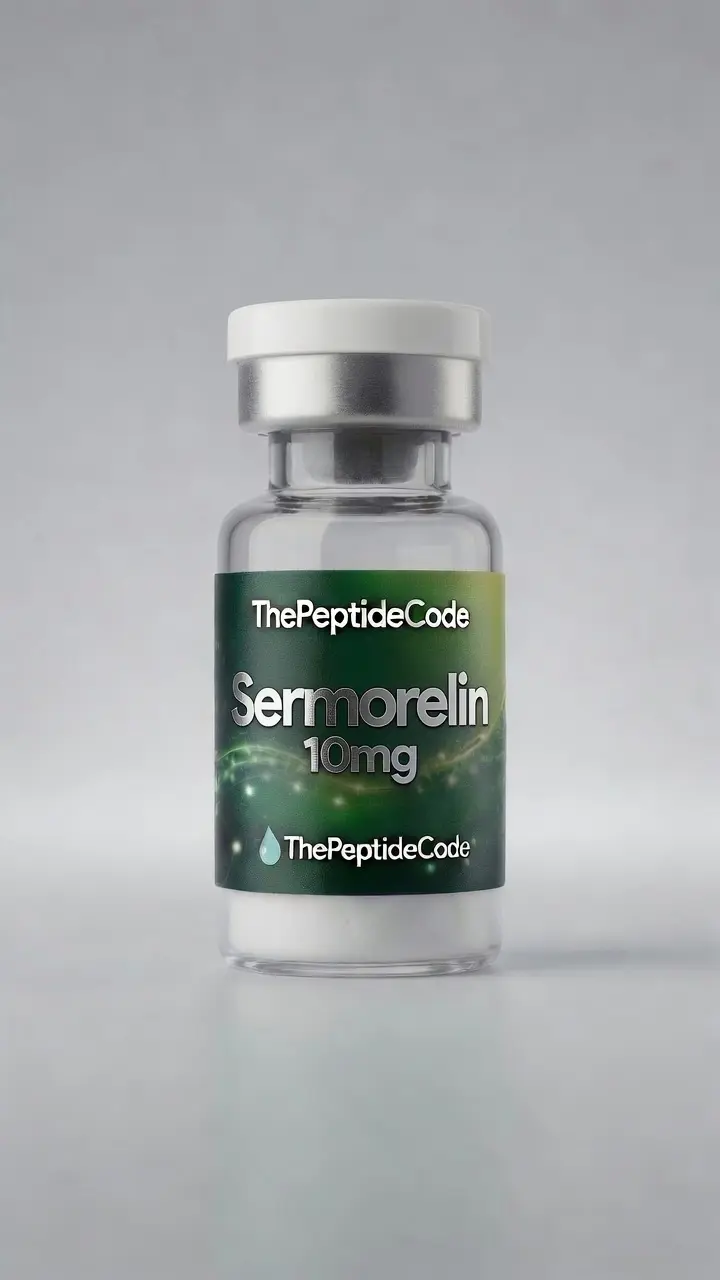
Sermorelin 10mg is a peptide product containing sermorelin, a synthetic peptide associated with growth hormone-releasing hormone (GHRH) research. Sermorelin is based on the first 29 amino acids of human GHRH and has been studied for its role in stimulating the body’s natural growth hormone signaling pathway.
Sermorelin 10mg is commonly presented as a research-oriented peptide product. The 10mg designation refers to the labeled quantity of sermorelin in the product. Actual formulation, purity, salt form, packaging and accompanying documentation can vary between manufacturers, so researchers should review the product label and certificate of analysis supplied with a specific batch.
Sermorelin and GHRH Research
GHRH is a naturally occurring hormone involved in the regulation of growth hormone secretion by the pituitary gland. Sermorelin is structurally related to GHRH and has been investigated for its ability to interact with GHRH receptors and influence growth hormone-related signaling.
The scientific interest in sermorelin comes from its relationship with this physiological pathway. Rather than being growth hormone itself, sermorelin is a GHRH-related peptide studied for its effects on the signaling processes involved in growth hormone release.
Historical FDA documentation identifies sermorelin acetate as growth hormone-releasing factor (human)-(1-29)-peptide amide and records its development as Geref. FDA records also show that sermorelin acetate received approval in 1997 for treatment of idiopathic or organic growth hormone deficiency in children with growth failure.
Research Applications
Sermorelin 10mg can be relevant to laboratory research involving endocrine signaling, peptide biology and growth hormone pathways. Researchers may use sermorelin as a tool for investigating interactions between GHRH signaling and downstream physiological processes.
Research involving sermorelin may examine topics such as:
- GHRH receptor signaling
- Growth hormone secretion pathways
- Pituitary hormone regulation
- Peptide-receptor interactions
- Endocrine signaling mechanisms
- Experimental models of growth hormone regulation
- Structure and activity relationships involving GHRH-derived peptides
These areas are useful for understanding how peptide-based signaling molecules interact with biological systems. Results from laboratory or preclinical research should not automatically be interpreted as evidence of effectiveness in humans.
Sermorelin 10mg Product Information
When evaluating Sermorelin 10mg, researchers should pay attention to the information provided by the manufacturer or supplier. Important specifications may include the peptide name, labeled quantity, purity, batch number, storage requirements and testing documentation.
A certificate of analysis (COA) can provide useful information about a particular batch. Depending on the supplier, analytical testing may include techniques used to assess peptide identity and purity.
The 10mg quantity should also be distinguished from the concentration of a prepared solution. Product quantity, formulation and preparation characteristics are separate specifications and should be verified using the documentation supplied with the product.
Storage and Handling Considerations
Peptides can be sensitive to environmental conditions such as temperature, moisture, light and repeated exposure to unsuitable storage conditions. For this reason, researchers should follow the storage instructions provided for the specific Sermorelin 10mg product.
Storage requirements can differ depending on whether a product is supplied as a dry material, a formulated preparation or another presentation. Researchers should therefore avoid assuming that storage information for one sermorelin product automatically applies to another.
Keeping the original product packaging, batch information and documentation together can also help maintain accurate laboratory records.
Quality and Documentation
For research purposes, product documentation is an important part of evaluating a peptide. Researchers may want to review the certificate of analysis, testing information, lot number, manufacturing information and stated purity before using a product in laboratory work.
Sermorelin 10mg should also be clearly distinguished from other peptides that influence growth hormone-related pathways. Similar terminology can sometimes lead to confusion between GHRH analogues, growth hormone secretagogues and growth hormone itself. These are different substances with different structures and mechanisms.
FDA records identify sermorelin acetate as a distinct substance and classify it within the GHRH-related therapeutic category.
Regulatory and Safety Context
Historical regulatory status should not be confused with the status of a currently marketed research product. FDA documentation records previous approval of Geref (sermorelin acetate), while an FDA medical review states that Geref had subsequently been withdrawn from the U.S. market and notes that the withdrawal was not for safety or efficacy reasons.
Separately marketed Sermorelin 10mg research products should not automatically be assumed to have the same regulatory status, manufacturing standards or approved indications as historical prescription products.
Researchers should rely on current product documentation and applicable regulations when determining whether a particular material is appropriate for laboratory use.
Final Considerations
Sermorelin 10mg is a GHRH-related peptide product of interest in research involving growth hormone signaling, endocrine biology and peptide-receptor interactions. Its scientific relevance comes from its structural relationship to human GHRH and its historical investigation in growth hormone-related applications.
When evaluating Sermorelin 10mg, researchers should consider the exact product identity, labeled quantity, purity information, batch documentation and storage requirements. Scientific findings should be interpreted according to the type of study in which they were produced, and laboratory research should not be presented as proof of clinical benefits.


Reviews
There are no reviews yet.